How to choose a home care provider in Milton Keynes for complex needs
If you’re looking for home care in Milton Keynes or the surrounding area, the choice can feel overwhelming –
especially when complex needs are involved. This guide walks you through the key questions to ask and the
things to look out for when comparing home care providers.
1. Start with your loved one’s needs and goals
Care support at home
Before looking at websites and brochures, it helps to be clear on what you actually need support with.
Complex care is not just about clinical tasks – it’s also about quality of life.
Think about today
Care support at home
What does a “good day” look like for your loved one?
Where do they struggle most – mobility, personal care, eating, breathing, memory?
What clinical tasks are involved (for example, tracheostomy care, PEG feeding, catheter care)?
When do they feel most anxious or unsafe – overnight, when alone, during transfers?
Think about tomorrow
Care support at home
Is the condition stable, improving or likely to progress?
Will needs change after hospital discharge or rehabilitation?
Do you expect to need nights or live-in care in the future?
How much are family or friends realistically able to do long term?
Having this picture clear will make it easier to see whether a home care provider can genuinely meet your
needs – and to avoid buying “off the shelf” packages that don’t fit.
2. Check regulation, training and complex care experience
Specialist home care support
For complex needs, you need more than “basic home help”. Ask providers about regulation, training and
hands-on experience with conditions similar to yours.
Regulation & quality
Care support at home
Is the service registered with the appropriate regulator?
What is their most recent inspection rating?
Do they have clear policies for safeguarding and incident reporting?
Complex care training
How are carers trained in clinical tasks and who signs them off as competent?
How often is training refreshed?
Do they follow written care plans and clinical guidance from nurses or consultants?
Relevant experience
Have they supported people with similar conditions (for example spinal injury, MND, advanced dementia)?
Can they describe real scenarios where they’ve managed complex care at home?
Can they provide anonymised case studies or testimonials?
3. Ask how they match carers to clients
Skills matter, but so does personality. The best complex care packages are built on human relationships.
Questions to ask
How do you match carers to each person?
Will my loved one see a small, consistent team – or lots of different faces?
What happens if the chemistry isn’t right?
Do we get to meet carers before care starts, especially for live-in care?
What good looks like
A good provider will talk about building a small, stable team around your loved one, with a focus
on continuity and trust, and will welcome honest feedback if something isn’t working.
4. Understand how they communicate with you
Complex care often involves several professionals – GPs, consultants, community nurses and therapists.
Clear communication is essential.
Day-to-day updates
How will you know what’s happening at each visit?
Do carers use care records, an app or written notes?
How are changes in condition escalated?
Care plan reviews
How often do they review care plans and risk assessments?
Are review meetings arranged with families?
How quickly can care be increased or reduced?
Working with professionals
Are they used to working with NHS teams and commissioners?
Who is the named contact for professionals?
How are clinical instructions shared with carers?
5. Consider local knowledge in and around Milton Keynes
For home care, being local matters. Providers who know Milton Keynes and the surrounding towns will have
realistic travel times and better contingency planning.
Why local matters
More reliable visit times and less travel disruption
Carers who know local hospitals, GP practices and community services
Better understanding of local roads in bad weather
Our local focus
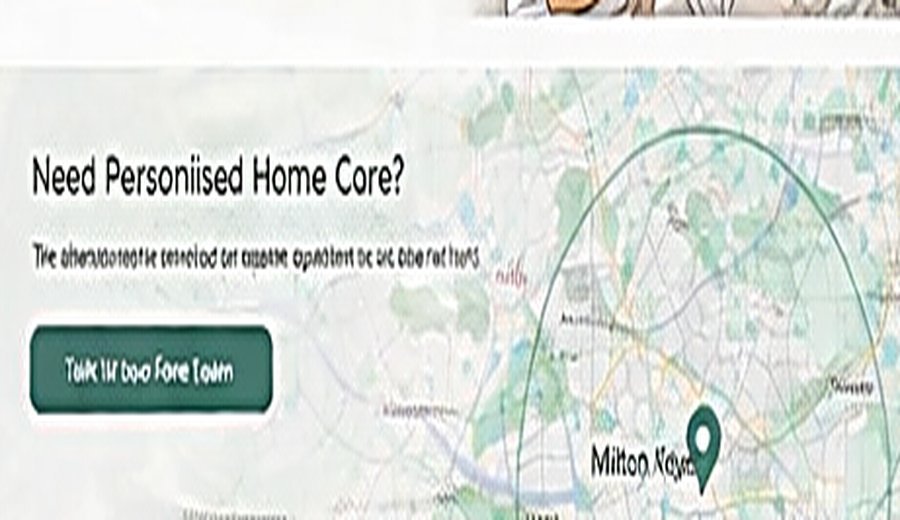
At Bespoke Personal Home Care we focus on Milton Keynes and roughly a 50-mile radius, including
towns such as Bedford, Northampton, Luton, Aylesbury and Leighton Buzzard. This helps us keep
travel realistic and teams consistent.
Checklists are helpful, but your instincts matter too. Complex care is personal. It’s okay to choose a
provider who feels right for your family.
Red flags
Vague answers about training or regulation
Reluctance to talk about complex needs in detail
Pressure to sign quickly or commit long-term
Poor communication or slow responses at the enquiry stage
Green flags
Honest about what they can and cannot do
Happy to involve you in care planning
Willing to collaborate with other professionals
Clear next steps, written quotes and no surprises
Talk to us about complex home care in and around Milton Keynes
If you’re comparing home care providers and want to know whether Bespoke Personal Home Care is the
right fit, we’re happy to have an honest, no-obligation conversation.
Free, no-pressure discussion
Tell us about your situation, the conditions involved and where you live. If we don’t think we’re
the right provider, we’ll say so and, where possible, point you in a helpful direction.